
Performance
Cut processing time by 95%
The original prototype's single-threaded analysis pipeline was rebuilt to process data in parallel, taking a six-hour run down to twenty minutes.
Research group + CIDS applied R&D
Taking a research group's working prototype, built to answer one question in one dataset, and hardening it into a tool their wider team could run without a developer present.
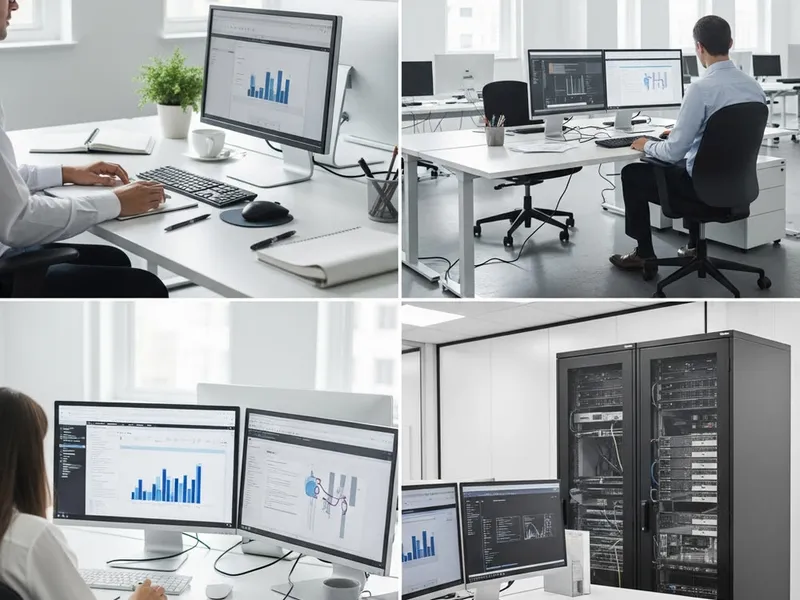
It went from something only one of us could run to something the whole team uses.
Research group lead
Curtin research partner
Performance
The original prototype's single-threaded analysis pipeline was rebuilt to process data in parallel, taking a six-hour run down to twenty minutes.
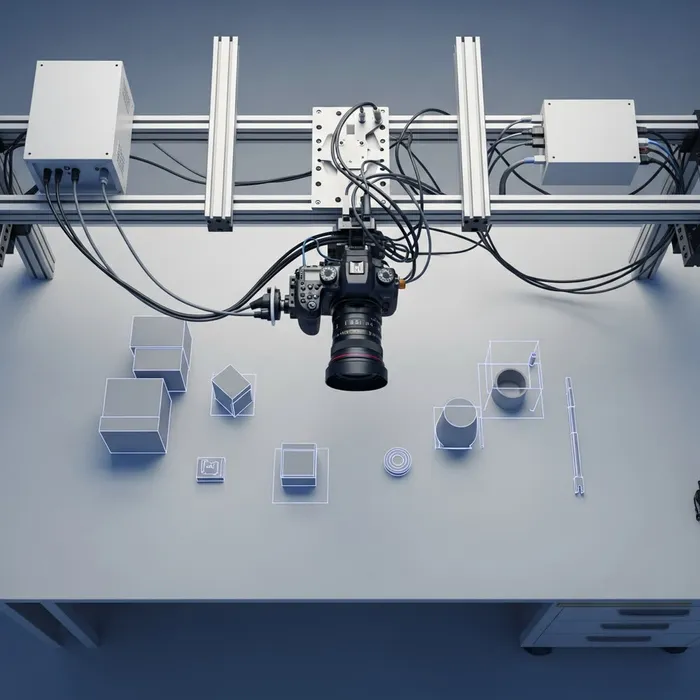
Team impact
Previously only the original author could run the analysis. It now runs from a documented command with sample data included, usable by the whole team.
Project overview
The research group had a script that worked, but only in the hands of the person who wrote it, on their own machine, against one specific version of the dataset.
CIDS worked through the pipeline step by step: parallelising the slowest stage, adding input validation so a malformed file failed with a clear message instead of a silent wrong answer, and writing a short setup guide the rest of the team could follow without help.
The rebuilt tool now runs as part of the group’s regular workflow, and the original author has since used the freed-up time to start a follow-on study that wouldn’t have been possible while manually babysitting the old pipeline.

Before and after
2 operational shifts from the project
Before
Who can run it
Only the original author, on their own machine.
Processing time
A six-hour single-threaded run.
After
Who can run it
Any team member, following a documented setup.
Processing time
Twenty minutes with a parallelised pipeline.